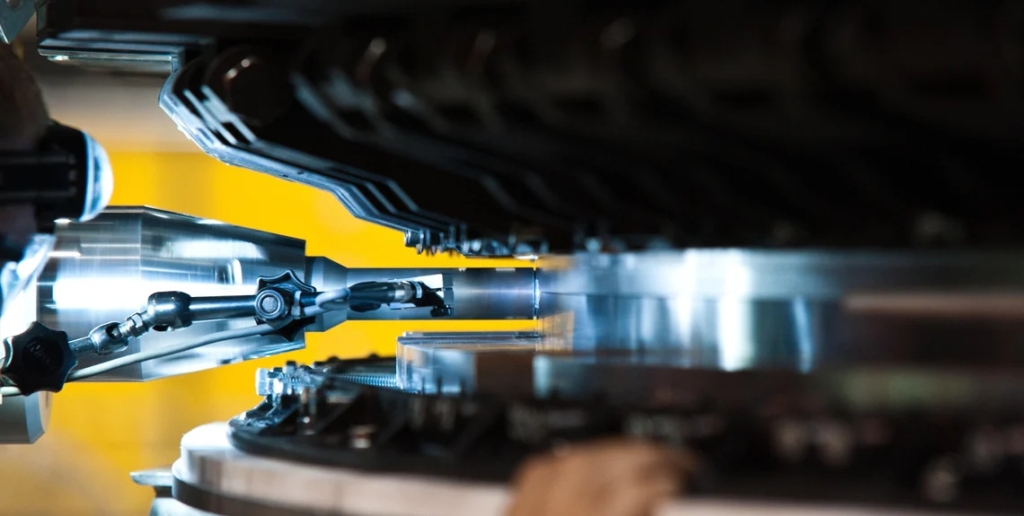
In the ever-evolving landscape of manufacturing technology, ultrasonic welding machines have emerged as crucial tools for creating high-quality, durable bonds between materials ultrasonic welding machine. These machines leverage the ability of ultrasonic vibrations to provide precise, efficient, and reliable welding solutions across various industries. This article explores the inner ins and outs, applications, advantages, and future prospects of ultrasonic welding machines, offering an extensive understanding of this advanced technology.
What is an Ultrasonic Welding Machine?
An ultrasonic welding machine is a specialized piece of equipment designed to join materials through use of high-frequency ultrasonic vibrations. Unlike traditional welding methods that rely on heat generated by electrical currents or flames, ultrasonic welding uses sound ocean to create local reduction points at the program of the materials being joined. This process results in a strong, durable bond without necessity for additional adhesives or consumables.
Components of an Ultrasonic Welding Machine
An ultrasonic welding machine includes several key components, each playing an important role in the welding process:
Ultrasonic Generator: This revolutionary product turns power into high-frequency ultrasonic vibrations. The generator produces the electrical signals that drive the welding process.
Transducer: The transducer accounts for changing the electrical signals from the generator into mechanical vibrations. It acts as a bridge between the generator and the welding tool.
Sonotrode (or Horn): The sonotrode amplifies the mechanical vibrations produced by the transducer and applies them to the materials being welded. It ensures that the vibrations are delivered with the necessary force and precision.
Fixture or Anvil: The fixture holds the materials in place during the welding process. It ensures proper positioning and support, enabling accurate and consistent welds.
Control System: The control system copes with various guidelines of the welding process, including vibration frequency, amplitude, and pressure. It allows operators to fine-tune the process for optimal results.
How Ultrasonic Welding Machines Work
The ultrasonic welding process involves several critical steps:
Preparation: The materials to be joined they fit between the sonotrode and the fixture. The materials are arranged to ensure that the welding program is accurately positioned.
Application of Ultrasonic Vibrations: The ultrasonic generator produces high-frequency electrical signals that are became mechanical vibrations by the transducer. The vibrations are fed to the sonotrode.
Welding: The sonotrode applies the ultrasonic vibrations to the program of the materials. The vibrations generate local heat through chaffing, reduction the material at the program. As the vibrations cease, the molten material solidifies, forming a strong bond.
Cooling: The welded materials are allowed to cool and firm up. The cooling process solidifies the weld and ensures that the bond is strong and durable.
Applications of Ultrasonic Welding Machines
Ultrasonic welding machines are versatile tools used in various industries because of their capacity to join materials efficiently and with high precision. Some notable applications include:
Consumer electronics: In the consumer electronics industry, ultrasonic welding machines are used for joining fine wires, terminals, and connectors. The precision and low heat generation of ultrasonic welding are crucial for avoiding damage to sensitive electronic components.
Auto: Auto manufacturers utilize ultrasonic welding machines to gather components such as fuel system parts, airbag connectors, and electrical harnesses. The technology provides strong and reliable joints that fulfill the exacting requirements of the auto sector.
Medical Devices: The medical device industry advantages of ultrasonic welding machines for putting together components like catheters, syringes, and precise instruments. The technology ensures that components are joined without the use of adhesives, which is necessary for maintaining the sterility and functionality of medical devices.
Packaging: Ultrasonic welding machines are applied in the packaging industry for wrapping up plastic packaging materials. The process offers a clean and efficient method for wrapping up packages without necessity for heat or chemicals, protecting the standard of the contents.
Aerospace: In the aerospace industry, ultrasonic welding machines are used to join lightweight materials and components. The precision and strength of the welds are critical for meeting the rigorous standards of aerospace engineering.
Benefits of Ultrasonic Welding Machines
Ultrasonic welding machines offer numerous advantages over traditional welding methods:
Speed: Ultrasonic welding is a rapid process, with welds completed in milliseconds. This speed means increased production efficiency and reduced cycle times.
Minimal Heat Generation: Unlike conventional welding methods, ultrasonic welding generates local heat only at the program of the materials. This lowers arctic distortion and damage to surrounding areas.
Precision: Ultrasonic welding machines provide precise control over the welding process, resulting in consistent and high-quality joints. The ability to work with fine materials and components makes it ideal for applications with exacting quality requirements.
No Consumables: The ultrasonic welding process does not require additional materials like solder or adhesives. This eliminates the requirement for consumables and reduces waste, leading to cost benefits and environmental benefits.
Reduced Energy Consumption: The process utilizes less energy compared to traditional welding methods, making it a more sustainable choice for manufacturers.
Challenges and Considerations
Despite their advantages, ultrasonic welding machines face certain challenges:
Material Compatibility: Ultrasonic welding is primarily effective with metals and thermoplastics. Its effectiveness can vary based on the properties of the materials being joined, constraining its applicability in some cases.
Equipment Costs: The initial investment in ultrasonic welding machines can be higher compared to some traditional welding methods. However, the long-term benefits in terms of efficiency and reduced material costs often rationalize the initial expense.
Joint Strength: The effectiveness of the weld depends on various factors, including material properties and process guidelines. Achieving optimal weld strength requires careful adjustment of the welding guidelines.
The future of Ultrasonic Welding Machines
The future of ultrasonic welding machines is bright, with ongoing advancements expected to enhance their capabilities and expand their applications:
Integration with Automation: The integration of ultrasonic welding machines with robot automation is expected to improve efficiency and precision. Automated systems can enhance consistency and reduce human error in the welding process.
Advanced Materials: Research into new materials and composites may cause the development of ultrasonic welding techniques suitable for a bigger choice of materials. This could open up new opportunities in industries such as aerospace and renewable energy.
Enhanced Control Systems: Advances in control systems and receptors are likely to increase the flexibility and precision of ultrasonic welding machines. Enhanced control systems permits more complicated and demanding applications.
Conclusion
Ultrasonic welding machines represent a significant advancement in manufacturing technology, offering unrivaled speed, precision, and efficiency. Their capacity to join materials without necessity for additional consumables or extensive heat makes them invaluable across various industries, from consumer electronics to aerospace. As technology continues to change, ultrasonic welding machines are positiioned to play an even more prominent role in by using the future of manufacturing. By taking on these advanced tools, manufacturers can do superior weld quality, reduces costs of production processes, and drive innovation in their respective fields.
